
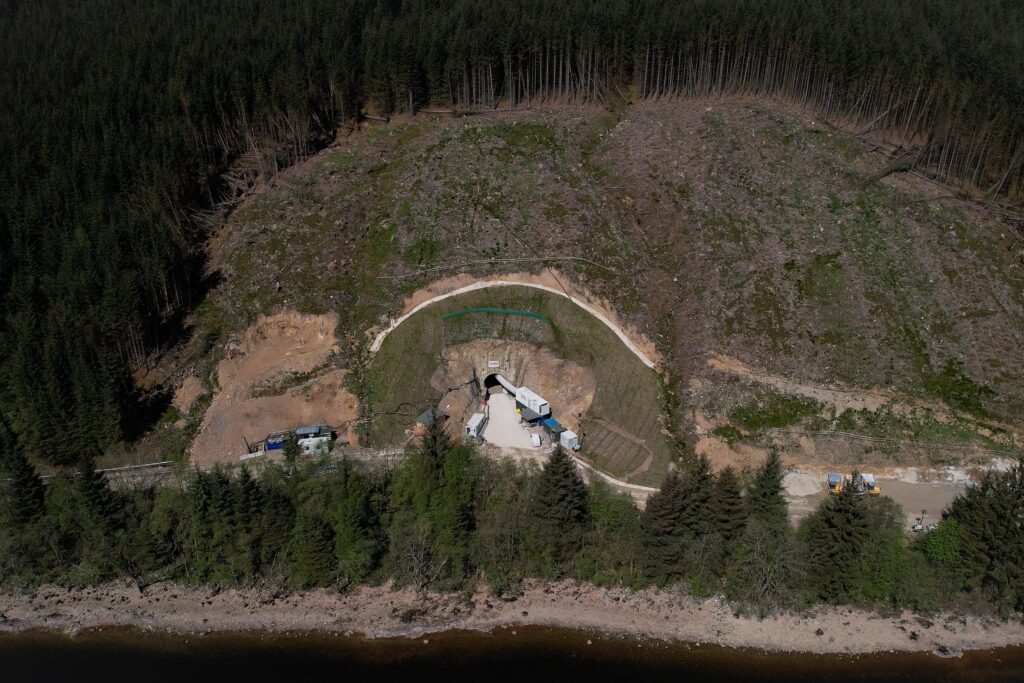
- Independent study finds Coire Glas pumped storage hydro project could support 2,880 construction jobs at peak, resulting in £1.94 billion spend with UK businesses and generating £1.5 billion in UK economic value
- In Scotland, project could support 1,180 construction jobs, £1.35 billion spend with Scottish firms and generate £656m in economic value
- Study estimates project capital investment would be around £3 billion, equivalent to two Queensferry Crossings
- Realising these benefits for UK businesses, workers and communities now depends on Coire Glas securing an investable outcome through Ofgem’s Long Duration Electricity Storage framework
A new independent economic impact study has found that SSE’s proposed Coire Glas Pumped Storage Hydro project in the Scottish Highlands could support almost 3,000 UK construction jobs at peak, deliver a near £2 billion spending boost with UK businesses, and generate £1.5 billion in UK economic value for the UK, if approved for delivery.
The research, undertaken by BiGGAR Economics, highlights the scale of the jobs and economic opportunity presented by the 1.44GW project, one of Britain’s most advanced pumped storage hydro projects. BiGGAR Economics estimates Coire Glas would require private capital investment of around £3 billion, equivalent to around two Queensferry Crossings*.
Realising the projected benefits for UK businesses, workers and communities now depends on Coire Glas securing an investible outcome through Ofgem’s Long Duration Electricity Storage (LDES) framework.
The study estimates that construction of Coire Glas could support 2,880 construction jobs at peak, resulting in around £1.94 billion spent with UK businesses and generating £1.5 billion in UK economic value. In Scotland alone, the project could support 1,180 construction jobs at peak, deliver £1.35 billion in expenditure with Scottish firms and generate £656 million in economic value.
Once operational, BiGGAR Economics says Coire Glas could support 60 long-term UK jobs annually during its decades-long operating life, generating £7 million in economic value for the UK each year.
Stephen Wheeler, Managing Director, SSE Renewables, said, “Coire Glas has the potential to be one of the most important infrastructure projects built in the UK in a generation, delivering major economic benefits while strengthening the country’s energy security.
“This study demonstrates the scale of that opportunity, with the potential to generate £1.5 billion of economic value across the UK, support almost 3,000 construction jobs at peak and create significant opportunities for Scottish and British businesses throughout the supply chain.
“Unlocking that opportunity now depends on securing an investable outcome through Ofgem’s Long Duration Electricity Storage framework.
“A number of detailed arrangements need to be resolved to secure an investable outcome so a project of this scale and complexity can progress. If that can be achieved, Coire Glas could deliver decades of benefits for workers, consumers, communities and the wider economy, during construction and throughout its operating life.”
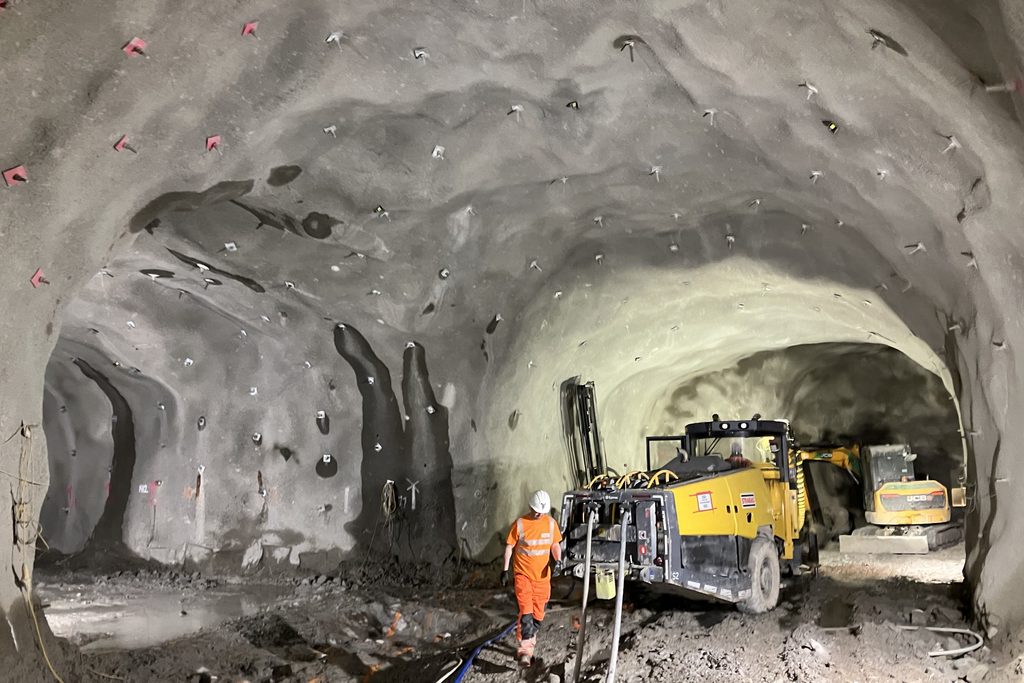
SSE has already invested more than £100 million in developing Coire Glas, including extensive site investigations and a 1.2km exploratory tunnel to inform the project’s final design. This significant investment underlines the project’s maturity and the work already undertaken to prepare it for delivery.
In June 2026, Ofgem included Coire Glas as one of 16 LDES projects in its ‘Minded-to-Decision’ list for receipt of cap and floor investment support. SSE continues to engage with Ofgem’s process, with a significant number of points of detail needing to be resolved for the project to progress.
Any final investment decision would be taken in line with SSE’s continued focus on capital discipline and with strict adherence to its return thresholds.
Read the BiGGAR Economics Study here: Coire Glas Pumped Storage Hydro – Economic Impact and Maximising Benefits Report, October 2026.
*The Queensferry Crossing spans the Firth of Forth in Scotland and was delivered at a cost of £1.34 billion, equivalent to between £1.6 – £1.7bn in 2025 prices. Source: Audit Scotland (2018) Forth Replacement Crossing.