
By Colin Marr, Chief Executive, Inverness Chamber of Commerce
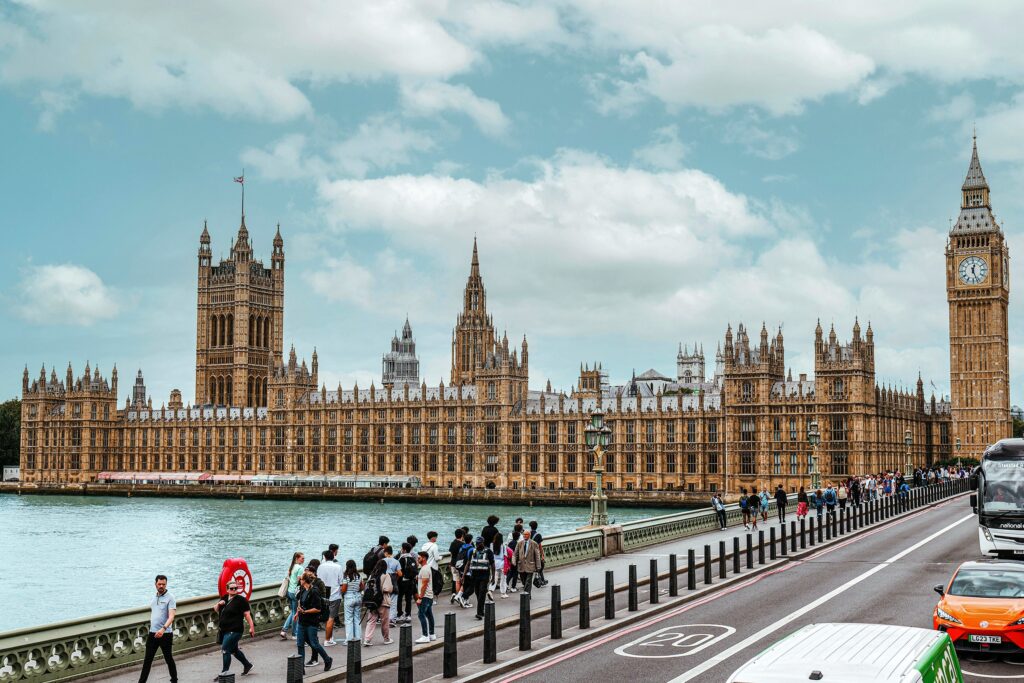
This week I was invited by the British Chambers of Commerce to attend a Parliamentary Roundtable at Westminster focused on the Business Cost of Energy.
It was an opportunity to speak directly to MPs, including the Chair of the Energy Security and Net Zero Committee, about the damage that the UK’s high electricity costs and very long lead times for grid connections are doing to business competitiveness.
More importantly, I was able to explain how current Government policy is holding back investment in offshore wind, pumped-storage hydro and potentially even improvements to the electricity grid itself.
Significant investment has already been made in our ports and cable manufacturing, but the next stage – developing floating offshore wind and pumped-storage hydro – has slowed. This is largely attributable to UK Government policy around connection charges and, increasingly, the Strategic Spatial Energy Planning (SSEP). Until these issues are resolved, it is difficult for projects to reach final investment decision.
And yet our region has an extraordinary opportunity to help deliver the UK’s energy security, with abundant wind, deep-water ports and a unique combination of inland water and mountainous terrain. Greater energy security should also mean greater protection from the global events that currently influence the price we pay for electricity.
Many of these projects have already made significant progress through planning, consultation and environmental surveys and are ready to move to the next stage. What they need now is clear and consistent Government policy that gives investors the confidence to commit.
Of course, we also need to make sure the Highlands captures the economic benefit of this opportunity. We should not simply be generating power for the rest of the UK; we need to consider what energy-intensive industries and investment could be attracted here as a result.
We already generate more electricity than we use, yet businesses here continue to face some of the highest electricity costs in the UK. We need to address that imbalance while ensuring future energy projects create local jobs and maximise opportunities for local supply chains.
The success of our region’s energy generation should not be measured simply in gigawatts. It should be measured in jobs, investment and regional prosperity.
I’m grateful to our partners at The Highland Council, HIE and the Inverness and Cromarty Firth Green Freeport for helping with my preparation for the roundtable and for continuing to make the case for the Highlands’ role in the UK’s energy future.